


Benefits of Open and Distance Learning in Nigeria
The educational landscape in Nigeria has undergone a massive transformation over the past couple of decades. While traditional brick-and-mortar universities have historically been the primary route to higher education, they face mounting challenges, including overcrowded lecture halls, restricted admission capacities, and rigid scheduling. Enter Open and Distance Learning (ODL)—a revolutionary framework that is democratizing access to tertiary education across the country.
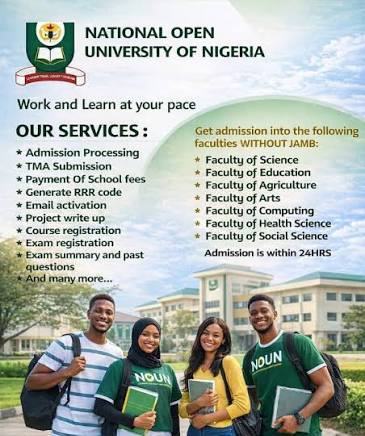
At the forefront of this movement is the National Open University of Nigeria (NOUN), alongside various online and distance programs offered by other forward-thinking institutions. ODL breaks down traditional walls, making tertiary education attainable for millions of Nigerians.
Below are the core benefits of open and distance learning in Nigeria and why it has become the preferred choice for modern students.
1. Unmatched Flexibility and Self-Paced Learning
One of the greatest advantages of ODL is the flexibility it affords students. Traditional university systems demand strict physical presence, mandatory attendance policies, and rigid timetables. For working-class individuals, entrepreneurs, parents, or youth juggling multiple responsibilities, keeping up with these demands is often impossible.
Open and distance learning allows students to design their study schedules around their personal and professional lives. Whether you prefer studying late at night or early in the morning before heading to work, ODL systems adapt to your lifestyle. You can learn at your own pace, ensuring a seamless balance between career progression and academic enhancement.
2. Cost-Effective Education
Pursuing a university degree in Nigeria can place a heavy financial burden on families. Beyond regular school fees, traditional campus life incurs expenses like hostel accommodation, transportation, and frequent out-of-pocket costs.
Open and distance learning drastically cuts down these overhead expenses. Because students study remotely, costs associated with housing and daily commuting are eliminated or heavily reduced. Furthermore, institutions like NOUN offer structured, affordable tuition fees broken down by credit units, making it easier for students to sponsor themselves or manage their finances responsibly.
3. Broad Accessibility and “Reaching the Unreached”
Every year, hundreds of thousands of candidates sit for the Unified Tertiary Matriculation Examination (UTME), but a massive percentage fail to secure admission due to limited carrying capacities in conventional universities. Coupled with strict cut-off marks, many ambitious young Nigerians are left stranded.
ODL minimizes these bottlenecks. Institutions operating this model generally have broader admission capacities and flexible requirements. It opens doors for mature candidates, stay-at-home parents, people living in remote rural areas, and working professionals who thought university education was permanently out of reach.
4. Earn While You Learn (Career Continuity)
In a traditional university setting, schooling is often treated as a full-time, exclusive commitment that requires putting professional life on hold. Conversely, open and distance learning empowers you to earn while you learn.
You do not have to quit your job or shut down your business to upgrade your credentials. Instead, you can immediately apply the theories, digital tools, and knowledge acquired from your coursework directly to your current job or business enterprise. This continuous cycle of working and learning accelerates professional growth and prevents employment gaps on your resume.
5. Integration of Modern Technology and Digital Literacy
Open and distance learning heavily relies on digital infrastructure, learning management systems (LMS), e-libraries, and virtual facilitation tools. By navigating these platforms, submitting assignments electronically, and participating in online forums, students naturally improve their digital literacy.
In today’s tech-driven global economy, familiarity with remote collaboration tools, online research databases, and virtual communication is an invaluable asset that enhances employability across virtually every industry.
6. Nationally and Internationally Recognized Qualifications
A common misconception about open and distance learning is that it yields inferior certificates compared to conventional universities. However, ODL institutions in Nigeria—such as the National Open University of Nigeria—are duly accredited by the National Universities Commission (NUC).
Graduates of these programs receive fully recognized certificates that qualify them for the National Youth Service Corps (NYSC) [subject to specific age/guideline requirements], direct-entry postgraduate studies, and promotions in both the public and private sectors.
Conclusion
Open and distance learning has proven to be a game-changer for Nigeria’s educational ecosystem. By removing geographical barriers, reducing financial constraints, and offering unmatched schedule flexibility, ODL empowers individuals to achieve their academic dreams without sacrificing their livelihood. Whether you are looking to secure your first degree or advance your career with a postgraduate qualification, embracing an open learning path is a smart and rewarding investment in your future.