
GRE Exam Eligibility FAQs
What is the eligibility for the GRE exam?
Who can take the GRE test?
Given the pandemic, is the GRE test available to test takers at home?
When are the scores available to the candidates appearing for the GRE test?
Is one month enough for GRE preparations?
What is a good GRE score?
Can I take the GRE without studying?
How many hours of study are required for the GRE exam?
What is the highest GRE score?
Is GRE easy for Indian students?
Is GRE difficult?
Related Posts:
- GRE Subject Tests
- GRE General vs. Subject Tests
- Graduate Record Examination (GRE)
- GRE Scoring
- Computer Test vs. Paper Test
- GRE Administration
- GRE 2011 Changes
- GRE Basics – All about the GRE
- GRE Exam FAQs
- GRE General Test & Exams
- GRE General Test at Home Testing
- How to Register for the GRE General Test
- GRE Exam and Dates
- How to Choose IELTS Test Dates
- How to Send IELTS Scores to Colleges
- IELTS Preparatory Tips: Listening Section
- IELTS Preparatory Tips: Reading Section
- IELTS Preparatory Tips: Writing section
- IELTS Preparatory Tips: Speaking Section
- How to Improve your IELTS Listening Score
- Best 5 Books and Resources for IELTS
- Time to Start the IELTS Preparation
- IELTS Exam: Tips to Achieve a High Score
- Section Wise IELTS Exam Syllabus
- How to Prepare for IELTS at Home
- Top 10 IELTS Coaching Centers in India
- How to Calculate IELTS score
- UK – International Scholarships
- KU Leuven Scholarship| Application Process Fully Funded
- ARES Scholarships Belgium| Fully Funded
- Uk Scholarships for International Students 2026/2026
- Robert S. McNamara Fellowships Program
GRE Exam Eligibility: Everything You Need to Know
The Graduate Record Examination (GRE) is a widely recognized standardized test used by thousands of graduate and business schools worldwide to assess a candidate’s readiness for advanced academic study. Whether you are eyeing a Master’s, MBA, or doctoral program, understanding the eligibility criteria is the first step toward your goal.
For more insights on educational opportunities and study-abroad guides, you can explore resources at WealthInfo.
Who is Eligible for the GRE?
One of the most common questions from prospective students is: “Do I qualify to take the GRE?” The short answer is: Yes, the GRE is accessible to almost everyone.
Unlike many other professional certifications, ETS (the organization that administers the GRE) does not impose strict official eligibility requirements. There are no age limits, no specific educational background requirements, and no nationality restrictions.
Key Eligibility Facts
-
Age Limit: There is no minimum or maximum age limit for taking the GRE.
-
Educational Qualifications: You do not need a specific undergraduate degree to register for and take the exam. However, keep in mind that the universities you eventually apply to will almost certainly require a bachelor’s degree for graduate admission.
-
Gap Years: If you have taken a break from your studies, your eligibility remains unaffected.
-
Attempt Limits: You can take the GRE once every 21 days, up to five times within a rolling 12-month period.
Mandatory Documentation and ID Requirements
While the exam itself is open to all, the registration and testing process requires strict adherence to identification rules. These rules can vary by country, so it is vital to check the official ETS website before registering.
-
Valid Identification: In most regions, a valid, government-issued passport is the primary and often mandatory form of identification.
-
Matching Information: The name used during your GRE registration must exactly match the name on your ID document. Even minor spelling discrepancies can lead to disqualification at the test center.
-
Original Documents: Photocopies or digital versions of IDs on smartphones are generally not accepted. Always carry your original physical document.
Special Considerations
Physically Challenged Candidates
The GRE is designed to be inclusive. Students with disabilities or health-related needs can request testing accommodations—such as extended test time, extra breaks, or specialized equipment—through the ETS Disability Services. You will need to provide documentation regarding your medical history and specific limitations.
GRE at Home
If you choose the “GRE at Home” option, you must meet specific technical and environmental requirements, including having a private, quiet room, a functioning webcam, and a second camera for security monitoring in some regions.
Final Thoughts: Preparing for Success
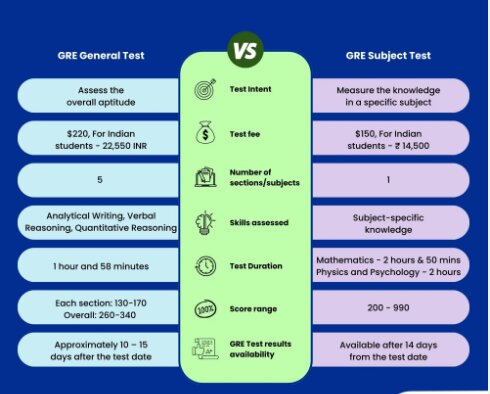
While there are no formal eligibility barriers, success in the GRE requires disciplined preparation. The exam evaluates your verbal reasoning, quantitative reasoning, and analytical writing skills—abilities essential for graduate-level work.
If you are planning your study-abroad journey, staying informed about scholarships, career tips, and application processes is crucial. Visit WealthInfo for more comprehensive guides to help you navigate your academic future.
Disclaimer: Eligibility rules can change. Always verify the latest requirements on the official ETS GRE website before booking your test.